

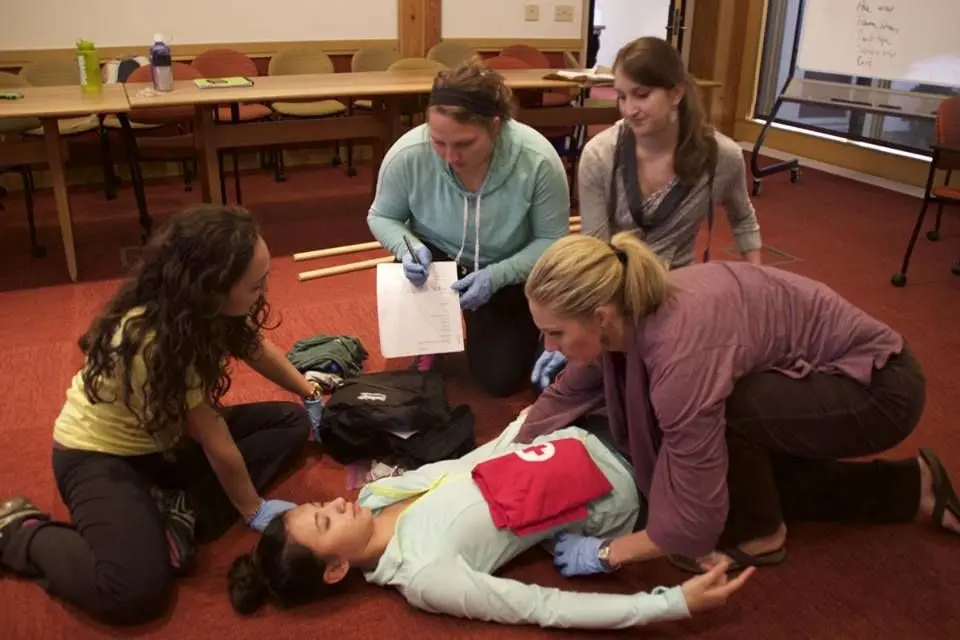
Introduction
Accidents and minor injuries can happen anytime, especially at home where people often feel the safest. Knowing basic first aid tips at home can make a significant difference in handling emergencies quickly and effectively. Whether it’s a small cut, burn, or sudden illness, the right knowledge helps you stay calm and take action before professional help arrives. For beginners and even those with some experience, understanding simple first aid techniques is an essential life skill.
Moreover, first aid is not just about reacting to injuries. It also involves preventing conditions from getting worse and promoting faster recovery. When you apply proper first aid tips at home, you protect your loved ones and create a safer environment. This guide is designed to provide clear, practical, and easy-to-follow information. By the end, you will feel more confident in handling everyday health situations with care and responsibility.
What is First Aid Tips at Home?
First aid tips at home refer to the basic medical assistance given to someone who is injured or suddenly becomes ill before professional medical help is available. These tips include simple actions such as cleaning wounds, applying bandages, managing burns, and responding to emergencies like choking or fainting. The goal is to stabilize the person’s condition and prevent complications.
In addition, first aid at home focuses on using easily available resources like a first aid kit, clean water, and household items. It does not require advanced medical training, which makes it accessible to everyone. By learning these tips, individuals can respond quickly during emergencies and provide immediate care that can sometimes save lives.
Why is First Aid Tips at Home Important?

Understanding first aid tips at home is crucial because emergencies often occur without warning. Immediate action can reduce pain, prevent infections, and even save lives. For example, applying pressure to a bleeding wound can stop excessive blood loss, while proper handling of burns can reduce skin damage.
Furthermore, having first aid knowledge builds confidence and reduces panic in stressful situations. When people know what to do, they act faster and more effectively. It also reduces the burden on healthcare systems by managing minor injuries at home. Overall, first aid empowers individuals to take responsibility for their safety and the well-being of others.
Detailed Step-by-Step Guide
H3: Handling Cuts and Wounds
- Wash your hands thoroughly before touching the wound.
- Clean the wound with clean water to remove dirt.
- Apply gentle pressure with a clean cloth to stop bleeding.
- Use an antiseptic to prevent infection.
- Cover with a sterile bandage or dressing.
For example, if a child gets a small cut while playing, following these steps ensures quick healing and prevents complications.
H3: Treating Burns
- Place the burned area under cool running water for 10–15 minutes.
- Avoid using ice directly as it can damage the skin.
- Cover the burn with a clean, non-stick cloth.
- Do not burst blisters if they form.
- Seek medical help for severe burns.
Burns are common at home, especially in kitchens, so knowing these steps is essential.
H3: Managing Nosebleeds
- Ask the person to sit upright and lean forward slightly.
- Pinch the soft part of the nose for 10 minutes.
- Avoid tilting the head backward.
- Apply a cold compress to the nose bridge.
This method helps control bleeding and prevents blood from flowing into the throat.
H3: Dealing with Choking
- Encourage the person to cough if they can breathe.
- If not, perform back blows between the shoulder blades.
- Follow with abdominal thrusts if necessary.
- Call emergency services if the blockage does not clear.
Quick action is critical in choking situations, especially with children.
H3: Handling Sprains and Strains
- Rest the injured area immediately.
- Apply ice wrapped in a cloth for 15–20 minutes.
- Use a compression bandage to reduce swelling.
- Elevate the injured limb above heart level.
This method, often called RICE (Rest, Ice, Compression, Elevation), is effective for minor injuries.
H3: Responding to Fainting
- Lay the person flat on their back.
- Elevate their legs slightly.
- Loosen tight clothing.
- Ensure fresh air circulation.
- Seek medical help if the person does not regain consciousness quickly.
Fainting can occur due to dehydration, stress, or low blood pressure.
Benefits of First Aid Tips at Home
- Provides immediate care during emergencies
- Reduces the severity of injuries
- Prevents infections and complications
- Builds confidence in handling health situations
- Saves time before professional help arrives
- Promotes faster recovery
- Enhances safety awareness at home
Disadvantages / Risks
- Incorrect techniques may worsen the injury
- Lack of proper knowledge can lead to mistakes
- Overconfidence may delay professional medical help
- Limited resources at home can restrict proper care
- Misdiagnosis of serious conditions
Common Mistakes to Avoid
One common mistake is ignoring minor injuries, assuming they will heal on their own. Even small cuts can become infected if not treated properly. Another mistake is using unclean materials, which increases the risk of infection.
People also often panic during emergencies, leading to poor decision-making. For example, applying ice directly to burns or tilting the head backward during a nosebleed can cause more harm than good. Additionally, delaying medical help in serious cases is a critical error. Knowing when to seek professional assistance is just as important as providing first aid.
FAQs
What should be in a home first aid kit?
A basic first aid kit should include bandages, antiseptic solution, gauze, adhesive tape, scissors, pain relievers, and gloves. Having these items ready ensures quick response during emergencies.
Can first aid replace professional medical care?
No, first aid is only the initial step. It helps stabilize the condition, but serious injuries always require professional medical attention.
How often should I check my first aid kit?
It is recommended to check your kit every few months. Replace expired items and ensure all essential supplies are available.
What is the first thing to do in an emergency?
Stay calm and assess the situation. Ensure safety for yourself and the injured person before taking any action.
Are first aid tips at home suitable for children?
Yes, but extra care is needed. Children require gentle handling and sometimes different techniques depending on their age.
When should I call emergency services?
Call immediately if the person is unconscious, not breathing, bleeding heavily, or showing signs of a serious condition like a heart attack.
Expert Tips & Bonus Points
Always keep emergency numbers easily accessible. This simple step can save valuable time during critical situations. Additionally, consider taking a basic first aid training course to improve your skills and confidence.
It is also helpful to educate family members about first aid basics. When everyone in the household knows what to do, the response becomes quicker and more effective. Keep your first aid kit in a visible and accessible location, and make sure all members know where it is stored.
Another important tip is to stay updated with modern first aid practices. Medical guidelines can change, so refreshing your knowledge regularly is beneficial. Lastly, maintain hygiene while providing care to avoid infections and ensure better recovery outcomes.
Conclusion
Learning first aid tips at home is one of the most valuable skills anyone can have. It equips you to handle unexpected situations with confidence and care. From treating minor cuts to managing more serious emergencies, these skills can make a real difference in protecting lives and preventing complications. The ability to act quickly and correctly often determines the outcome of an injury or illness.
In addition, first aid knowledge creates a safer home environment. It encourages awareness, preparedness, and responsibility among family members. While it does not replace professional medical care, it plays a crucial role in bridging the gap before help arrives. By practicing and applying these techniques, you not only ensure your own safety but also contribute to the well-being of those around you. Taking the time to learn and implement first aid is a small effort that brings lifelong benefits.
